Pipeline pigging & Pre-Commissioning

Pipeline pigging

Quick Enquiry

Product Details

Pigging is a time-tested technique that uses specialized devices called pipeline pigs to clean, inspect, and maintain pipelines without interrupting the flow of product. Think of pigs as the unsung heroes inside your pipeline scrubbing, separating, and surveying as they move along with the fluid.

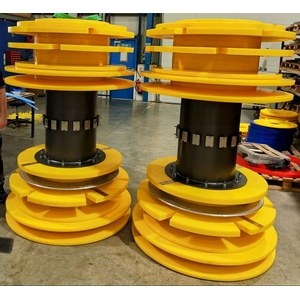
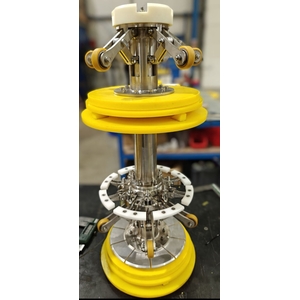
Modern pigs come in all shapes and sizes, typically foam or urethane, but can also include steel components for tougher jobs. They’re inserted into the pipeline at a designated launch point and pushed along by product pressure until they reach the receiving station, carrying debris or data with them.

Product Specification

Why Are Pipeline Pigs Essential?

  • Prevent Downtime & Damage
    Pigs remove wax, sludge, black powder, and other deposits that restrict flow and strain pumps. By keeping pipes clear, pigs extend the life of your infrastructure and reduce maintenance costs.

  • Ensure Product Purity
    When transporting different products through the same pipeline such as switching from crude oil to refined fuels pigs provide a critical barrier, cleaning residual product and preventing cross-contamination that could spoil entire batches.

  • Recover Valuable Product
    Pipeline pigs can help empty pipelines, pushing valuable liquids back into storage tanks. This means less waste and more revenue from every drop of your product.

  • Inspect & Monitor Pipe Health
    So-called smart pigs use advanced sensors to detect corrosion, dents, or metal loss inside the pipe walls. By pinpointing issues early, smart pigging helps you plan repairs before they escalate into costly failures or environmental hazards.

How Does Pigging Work?

Pipeontec are equipped with specialized pig launchers and pig catchers. Here’s a simplified breakdown of the process:

  1. Launch: A pig is placed into the pig launcher at one end of the pipeline.

  2. Travel: Product pressure pushes the pig through the pipe, scraping or recording data along the way.

  3. Receive: The pig arrives at the pig catcher, where it’s removed along with debris or inspection data.

This straightforward process saves time, money, and effort allowing pipelines to stay online while essential maintenance or inspections take place.

Types of Pipeline Pigs We Use

At Pipeontec, we supply and operate a full range of pigs tailored to your pipeline’s diameter, material, product type, and cleaning or inspection needs:

  • Steel Mandrel Pigs:
    Heavy-duty pigs built with steel cores, ideal for aggressive cleaning, batching, displacement, and bi-directional runs.

  • All-Urethane Pigs:
    Flexible, lightweight pigs perfect for pipelines with tight bends or complex layouts, offering reliable cleaning with minimal friction.

  • Foam Pigs:
    Highly versatile and economical, foam pigs excel at scraping, dewatering, and drying especially in pipelines requiring gentle cleaning or temporary service.

  • Specialty Pigs:
    For challenging jobs like removing hard scale, stubborn deposits, or for unique pipeline configurations, our specialty pigs are custom-engineered to tackle the toughest tasks.

More Than Just Cleaning: Pigging for Inspection & Safety

Pipeline pigs aren’t just about cleaning they’re about peace of mind. Smart pigs equipped with ultrasonic or magnetic flux leakage sensors can detect minute changes in wall thickness or pipe shape, identifying cracks, corrosion, or deformation long before they pose a risk.

Knowing precisely where a defect is located saves time and money by avoiding unnecessary excavation and helping prioritize repairs based on real data.

At Pipeontec, we believe that a clean, well-maintained pipeline isn’t just a convenience it’s a necessity. Our pigging and pre-commissioning services give you confidence in your system’s performance, so you can focus on production, not problems.


Search Your Products

Call Now Button