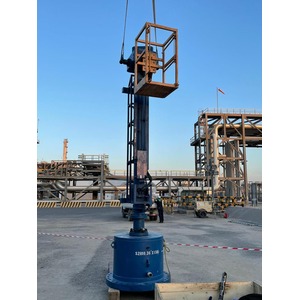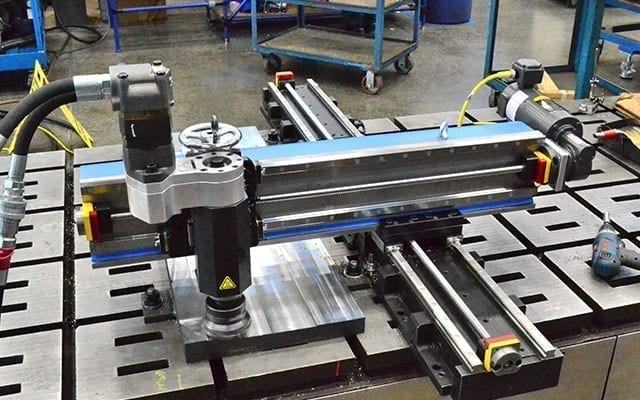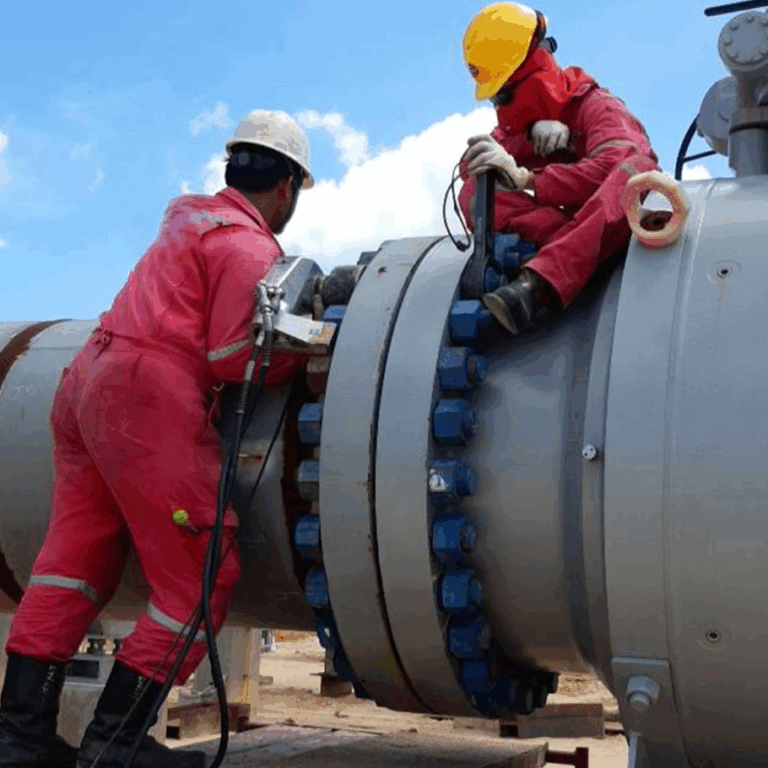
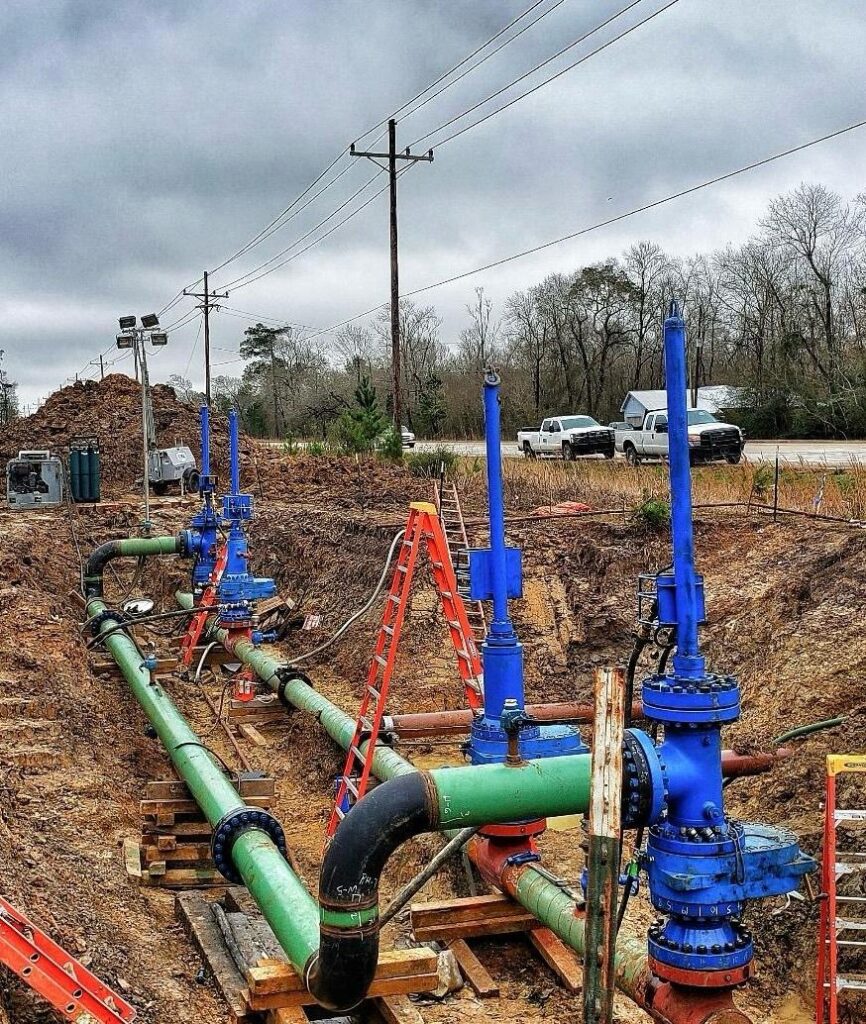
At Pipeontec, we specialize in precision-driven Hot Tapping & Line Stopping services designed to modify, repair, or connect to live pipelines without halting the system. This technique is invaluable when uptime is critical and operational continuity is non-negotiable.
From connecting new branches to isolating pipeline sections for maintenance, we deliver safe, spark-free interventions tailored to your system’s specifications whether for oil & gas, petrochemicals, power generation, or industrial utilities.
What Is Hot Tapping?
Hot tapping is the process of connecting a new pipeline branch or access point to a pressurized pipeline while it’s fully operational. There’s no need to depressurize, drain, or shut down the system.
We handle everything from temperature probe insertion to corroded pipe removal while maintaining complete flow integrity and zero disruption to production.
Every project is executed with a rigorous safety-first approach, detailed planning, and real-time monitoring.
Why Choose Our Hot Tapping Services?
- No shutdown required – Production keeps moving, revenue remains unaffected.
- Spark-free execution – Suitable for flammable gases, hydrocarbons, and critical environments.
- Tailored to your system – Pipe size, pressure rating, materials, and flow conditions are all carefully considered.
- Versatile application – Whether onshore, offshore, or in a plant environment, we adapt the method to suit your challenge.
- Full traceability & compliance – Hydrostatic testing, NDT, and complete documentation come standard.
Line Stopping for Safe Isolation
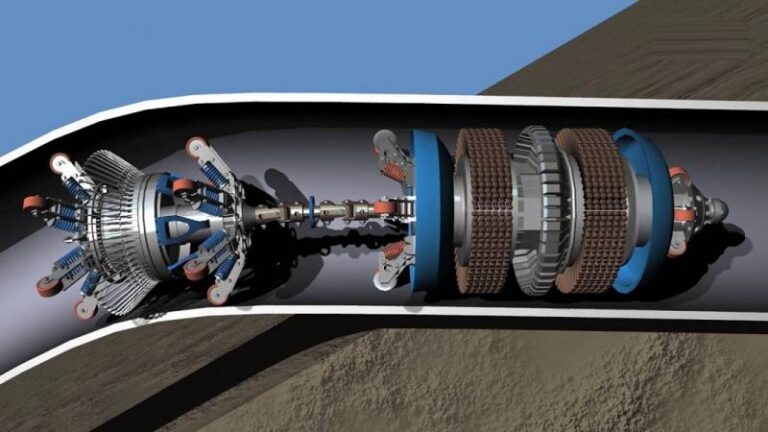
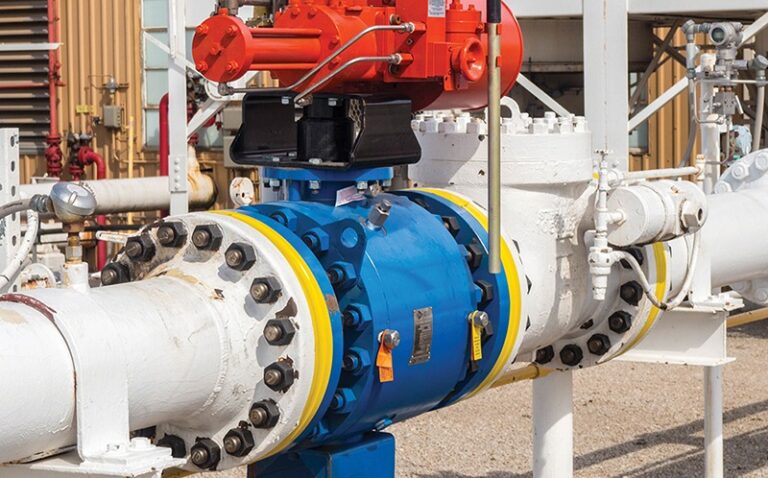
Need to block flow for a repair or modification? Our Line Stopping services involve inserting specialized devices like inflatable bags or mechanical plugs through the tapped opening. These stopples create a secure temporary barrier, isolating a section of the pipeline for intervention, without draining or venting the entire line.
This service is ideal for performing tie-ins, replacing valves, or isolating damaged areas while minimizing environmental impact and ensuring operator safety.
Typical Applications
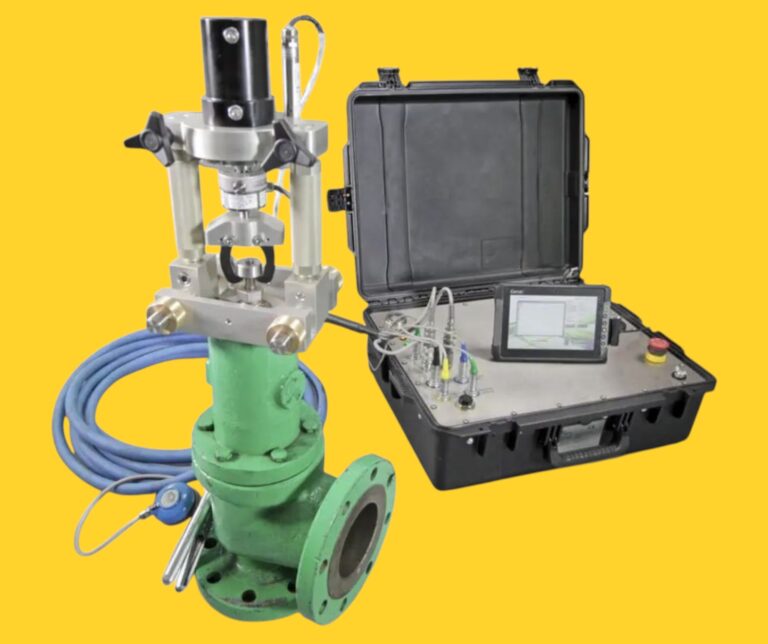
- Installing temperature or pressure sensors
- Isolating sections for valve replacement
- Diverting flow through temporary bypass lines
- Removing corroded or leaking pipeline segments
- Adding branch lines for system expansion
Industries We Serve
- Oil & Gas (upstream, midstream, downstream)
- Petrochemical & Chemical Plants
- Power Generation (steam, condensate, water lines)
- Utilities & Water Infrastructure
- Industrial Facilities (compressed air, HVAC)
- Marine, Offshore Platforms, Refineries
Our Equipment and Process at a Glance
- Pipe Sizes Handled: From 2 inches (50.8 mm) to 60 inches (1524 mm)
- Compatible Materials: Carbon steel, stainless, alloy, Inconel & more
- Drive Mechanisms: Manual, hydraulic, or pneumatic based on the job site
- Safety Measures: Mock setups, spark-free protocols, hydrotesting, and NDT
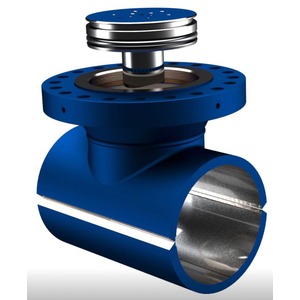
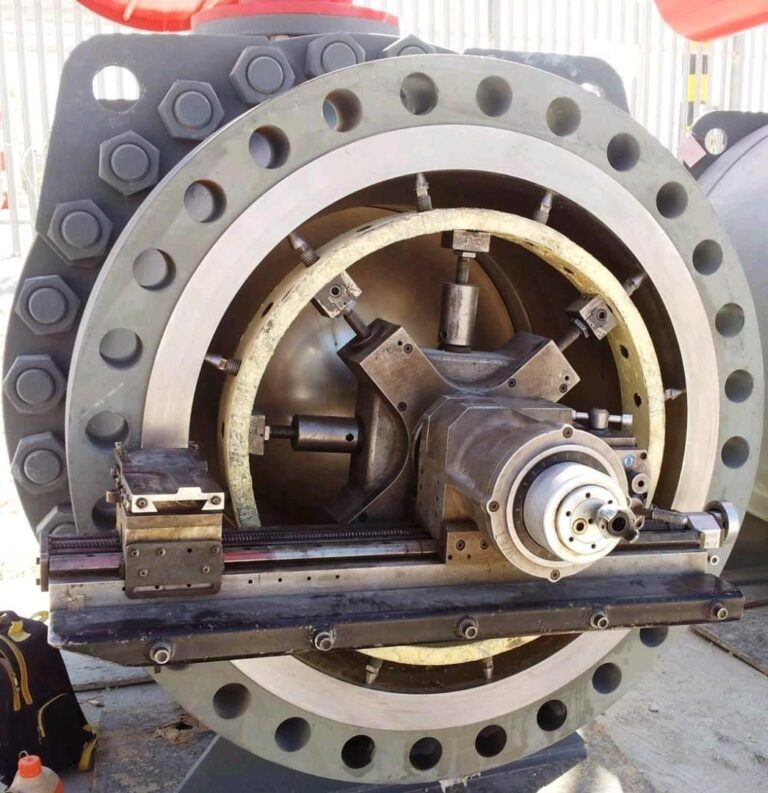
- Typical Setup Includes: Full-bore tapping valve, RF pad or split tee, pilot drill, cutter assembly, and coupon retention tools
We follow ASME, API, and industry best practices for hot work and high-pressure operations. Every weld seam, valve, and fitting is tested, inspected, and signed off before recommissioning.
Why Pipeontec?
You’re not just getting a service. You’re partnering with a team of experts who understand the critical balance between precision, safety, and continuity. Our field crews, engineers, and QA inspectors bring years of industry experience and a commitment to getting the job done right first time, every time.
Whether you’re planning a system upgrade, emergency fix, or routine connection, Pipeontec ensures performance without compromise.
FAQ
1. Is hot tapping safe for high-pressure and flammable pipelines?
Yes. Our hot tapping methods are engineered for high-pressure systems and hazardous products like crude oil, gas, and steam. We follow strict spark-free protocols and use ASME-compliant equipment to guarantee operator and system safety.
2. What’s the largest pipe diameter you can hot tap?
We handle pipeline diameters ranging from 2 inches up to 60 inches. For larger sizes or specialized conditions, we assess feasibility through engineering review and site inspection.
3. How long does the hot tapping process take?
It depends on pipe size, pressure, material, and job complexity. Standard setups may take a few hours to a day, while large-diameter or multi-branch taps may require extended preparation and safety checks.
4. Can you perform hot tapping on pipelines without existing tapping saddles?
Yes. We can weld or bolt custom split tees or RF pads on-site to prepare for the tapping process, even if your line wasn’t originally designed for modification.
5. What happens to the metal removed during the tap (the coupon)?
Our tapping system includes a pilot drill with retention features (like U-wires) that capture the cut-out section also known as the coupon to prevent it from entering the line. The coupon is safely removed with the cutter.