At Pipeontec, we understand that pipeline integrity and flow efficiency are non-negotiable. Our Pigging and In-Line Inspection (ILI) services are engineered to maintain product quality, ensure safe operation, and prepare pipelines for detailed internal assessment. Whether it’s routine maintenance or a pre-inspection cleaning, we tailor each solution to meet the specific requirements of your line.
Pre-Inspection Cleaning & Gauging
No Pipeline Is Too Complex to Clean
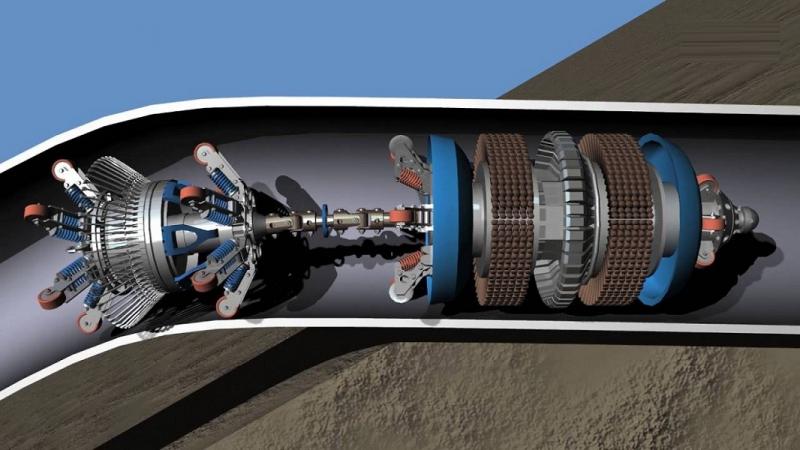
A clean pipeline is critical for efficient flow, product purity, and accurate inspection results. Our specialized cleaning programs are designed based on debris composition, line history, and operational conditions. Using high-performance cleaning pigs equipped with polyurethane blades, steel scrapers, and other advanced features, we eliminate wax buildup, black powder, and other contaminants that reduce flow efficiency and endanger downstream operations.
- Wax Removal: Engineered de-waxing pigs cut through heavy wax deposits in oil pipelines.
- Black Powder Removal: Custom pigs maintain cleaning performance over long runs with optimized cup and disc support.
- Dust Separation: Cyclone-based technology removes fine dust particles without interrupting pipeline operation.
From oil and gas to water and mining pipelines, our cleaning campaigns are customized to your needs.
Magnetic Flux Leakage (MFL) Inspection
Efficient, Proven Metal Loss Detection
MFL is a powerful tool for identifying and sizing corrosion and metal loss anomalies in pipelines. Our MFL inspection services detect general wall loss and localized defects by measuring variations in magnetic flux caused by internal flaws.
- Ideal for corrosion mapping and metal loss profiling
- Available for difficult pipeline conditions including:
- Low flow/pressure
- High temperature or wall thickness
- Sour service lines
- Pipelines with limited access or no pig traps
We offer tailored MFL solutions that align with your operational constraints and inspection goals.
Ultrasonic Testing (UT) Metal Loss Inspection
Precision Wall Thickness Measurement with UT Technology
Ultrasonic In-Line Inspection (UT ILI) is one of the most accurate techniques for detecting and sizing wall thickness variations, metal loss, and internal anomalies. Our UT tools use high-frequency transducers that emit radial echo signals, enabling direct measurement of both inner and outer pipe surfaces.
- Full 360° Coverage: Array of transducers ensures comprehensive wall inspection
- Superior Accuracy: Direct wall thickness measurement outperforms indirect detection methods
- Advanced Detection: Accurately identifies and sizes metal loss, mid-wall laminations, and inclusions
With world-class UT systems, Pipeline Engineering delivers unmatched inspection reliability even in the most demanding conditions.
Why Choose Pipeontec?
- Customized cleaning and inspection programs
- Tools engineered for a wide range of pipeline products and dimensions
- Solutions for complex access and high-risk pipeline conditions
- Real-time data and advanced reporting for decision-making
- Industry-compliant and safety-focused service execution
FAQ
1. Why is pipeline cleaning necessary before inline inspection?
Regular cleaning removes debris, sludge, wax, or black powder buildup that can obstruct inline inspection tools. A clean pipeline ensures accurate data collection, optimal product flow, and helps maintain the integrity of downstream equipment.
2. What types of debris can be removed during pigging operations?
Our pigging systems are designed to remove a wide range of contaminants, including wax deposits, black powder, corrosion by-products, liquids, and dust particles as small as 5 microns. We use specialized pigs tailored to the type of buildup and pipeline condition.
3. What is Magnetic Flux Leakage (MFL) and how does it work?
MFL is a non-destructive inspection method used to detect metal loss and corrosion in pipelines. It works by magnetizing the pipeline wall and analyzing changes in the magnetic field caused by anomalies. It’s ideal for detecting general corrosion and localized pitting.
4. How is Ultrasonic Testing (UT) different from MFL in pipeline inspection?
UT uses high-frequency sound waves to measure pipe wall thickness directly. It offers superior accuracy in detecting and sizing metal loss, laminations, and inclusions compared to MFL. UT is especially beneficial when precise defect measurement is critical.
5. Can you inspect pipelines with complex conditions like low flow or high temperature?
Yes. Our inspection tools and solutions are customized for challenging conditions, including low-pressure systems, high temperatures, thick-walled pipes, sour service environments, and pipelines without pig traps. We adapt the technology to suit your operational needs.