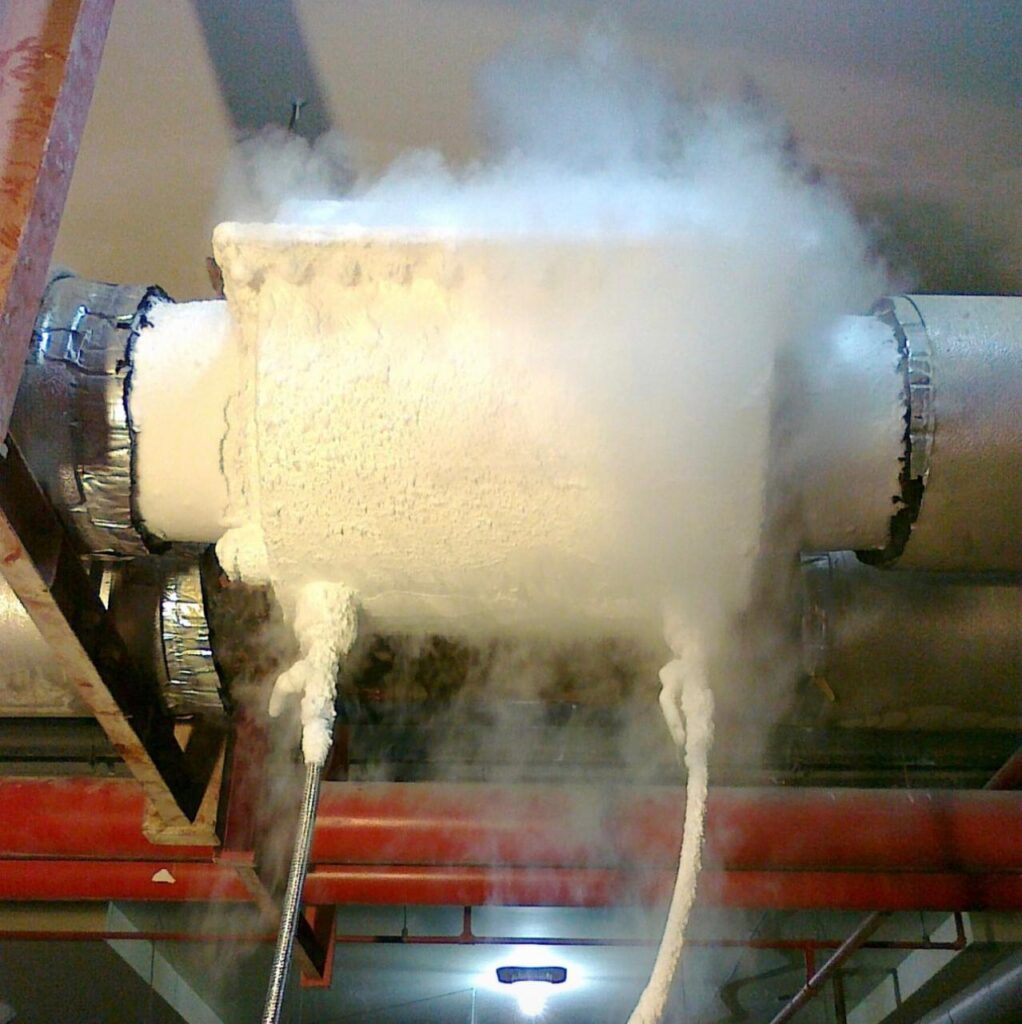
In complex pipeline systems, isolating a section of pipe for maintenance or modification usually means draining the system, halting production, and creating unnecessary downtime. But what if there were a smarter alternative? At Pipeontec, we specialize in pipe freezing services a clean, safe, and cost-effective solution to isolate pipelines without interrupting your flow.
Whether you’re replacing a valve, installing a branch line, or conducting urgent repairs, pipe freezing enables your team to work confidently and efficiently while the rest of the system stays fully operational.
What is Pipe Freezing?
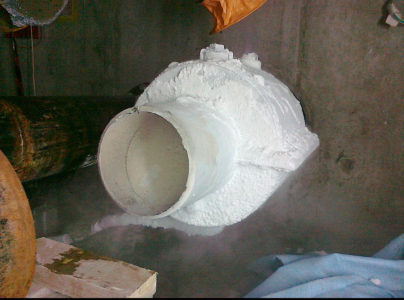
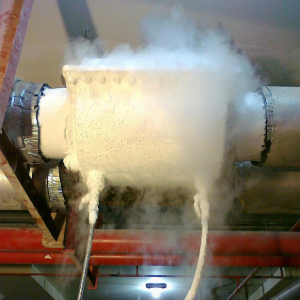
Pipe freezing is a non-intrusive technique that uses liquid nitrogen or CO₂ to form a solid ice plug within the pipe. This ice plug acts as a temporary barrier, allowing work to be carried out downstream without shutting down the entire pipeline. Once the work is done, the plug is thawed, and normal flow resumes with no waste, no mess, and no downtime.
It’s an ideal method for live pipeline isolation, especially in industrial, commercial, utility, and process environments where system shutdown is costly or impractical.
How It Works
Our pipe freezing process is engineered for reliability and safety:
- Site Evaluation
We assess the pipeline’s diameter, wall thickness, material, fluid type, flow characteristics, and ambient conditions. - Freeze Jacket Installation
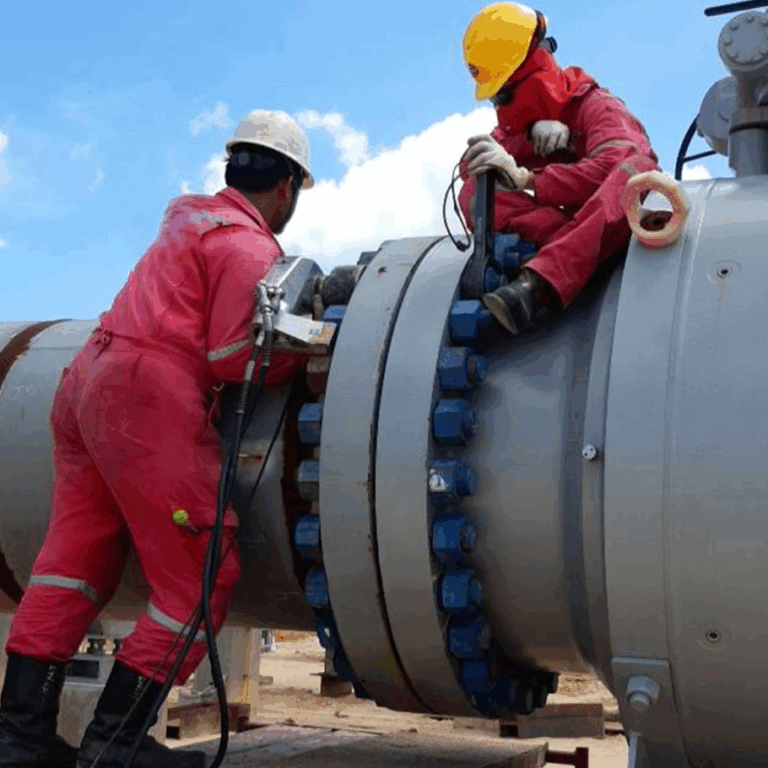
We install specialized jackets or clamps around the section to be frozen. These are designed to direct and contain the cooling medium for efficient freeze formation. - Controlled Freezing
Using liquid nitrogen or CO₂, we gradually cool the pipeline wall and internal fluid to freezing point. An ice plug forms inside the pipe, securely sealing off the section. - Maintenance or Modification
With the ice plug in place, our team or yours can perform the necessary work downstream safely and without drainage. - Plug Removal
After the job is complete, we safely remove the freeze system and allow the plug to thaw under controlled conditions, restoring full pipeline operation.
Where Pipe Freezing is Used
Pipe freezing is a versatile method used across multiple industries:
- Oil & Gas Pipelines
Isolating live lines for valve replacement, leak repairs, or tie-ins. - Power Plants
Temporarily isolating water or steam lines without cooling down the entire system. - HVAC and Utilities
Modifying high-rise or commercial piping systems without shutting off the entire building. - Chemical Plants
Performing equipment swaps or maintenance in process piping without full system drainage. - Food & Beverage Facilities
Avoiding contamination and minimizing disruption to production lines.
Compatible Pipe Materials
We have experience freezing a wide range of pipe types:
- Carbon Steel
- Stainless Steel
- Copper
- Cast Iron
- Aluminum Alloys
- Epoxy-Coated Pipes
- Nickel Alloys
- Copper-Based Alloys
Fluids We Handle
Pipe freezing works best with fluids that can solidify without damaging the pipe or system. We regularly freeze:
- Freshwater
- Seawater
- Glycol Solutions
- Sewage and Effluents
- Produced and Contaminated Water
- Sludges
- Fuel and Lubrication Oils
- Crude Oil
- Select Chemical Products
We evaluate each system to ensure compatibility before any freeze operation begins.
Why Choose Pipeontec for Pipe Freezing?
1. Zero Downtime
There’s no need to halt production, drain pipelines, or disrupt system pressure. Your operations continue while we isolate the section you need to work on.
2. Safe & Controlled Process
Our certified technicians follow strict procedures to ensure the ice plug forms evenly and holds safely. Pressure is monitored at all times, with redundant safety protocols in place.
3. Cost-Efficient
Eliminating the need to drain, dispose of, or treat system contents can result in significant cost savings especially in hazardous or high-volume environments.
4. Rapid Mobilization
We respond quickly to both scheduled and emergency jobs, bringing everything needed to the site from freeze clamps to cryogenic fluids.
5. Technical Expertise
With years of field experience, we’ve executed pipe freezing in some of the most challenging environments, including oil terminals, processing facilities, and commercial towers.
FAQ
1. What sizes of pipes can you freeze?
We typically freeze pipes from ½ inch to 12 inches in diameter. Larger diameters are possible depending on the pipe material and fluid characteristics.
2. Is pipe freezing safe for all pipeline systems?
Yes when done by qualified technicians. We evaluate material compatibility, pressure conditions, and safety risks before initiating any freeze.
3. How long does the freeze last?
A stable ice plug can hold for several hours or even longer, depending on ambient temperature and pressure conditions. We maintain the freeze throughout your work.
4. What happens if the ice plug melts unexpectedly?
We monitor the system closely and take proactive steps to ensure this doesn’t happen. If a longer isolation is needed, we can extend freeze duration safely.
5. Can you freeze pipes carrying chemicals or oil?
Yes. We routinely freeze lines carrying crude oil, fuel oils, glycol, and other compatible fluids. Every freeze job is reviewed case-by-case to ensure safety and effectiveness.