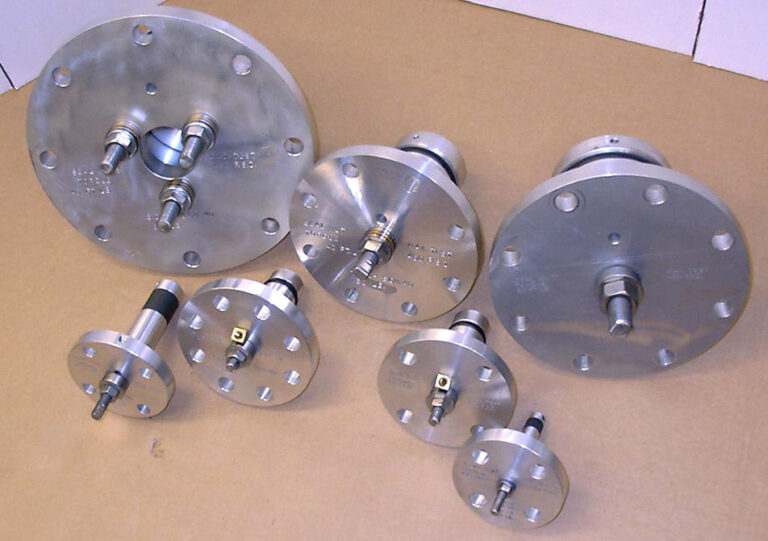
Welding flaws can significantly compromise structural integrity, leading to reduced performance, higher maintenance costs, or even critical failures. Our weld testing and plug solutions are engineered to ensure the safety, durability, and compliance of welded joints across industrial systems.
By applying proven inspection techniques both non-destructive and pressure-based our tools help verify weld quality efficiently, preventing long-term issues and reducing operational downtime.
Why Weld Testing is Essential
Precision in welding is crucial to maintaining the strength and safety of pipeline systems. Even small defects can result in costly failures. That’s why quality assurance through thorough testing is essential. Our weld testers support multiple inspection methods, ensuring each weld meets required standards and functions as intended in critical applications.
Common Weld Testing Methods
We support the full range of industry-approved testing approaches, including:
- Visual Inspection: Identifies visible surface defects such as cracks, porosity, or incomplete fusion.
- Magnetic Particle Testing: Detects surface and near-surface flaws in ferromagnetic materials through magnetization and iron powder application.
- Dye Penetrant Testing: Highlights cracks or porosity with visible dye and developer, revealing flaws on the surface.
- Radiographic Testing: Uses X-rays or gamma rays to detect internal weld flaws, capturing detailed images for analysis.
- Ultrasonic Testing: Employs high-frequency sound waves to detect internal defects, with reflected signals indicating inconsistencies.
The selection of method depends on material type, defect sensitivity, and operational conditions.