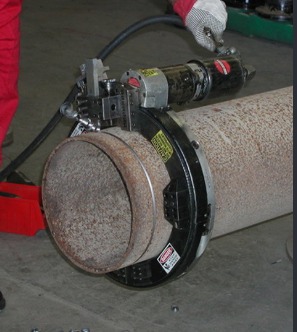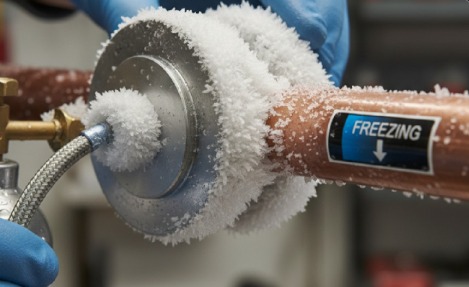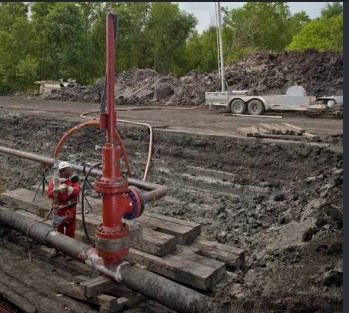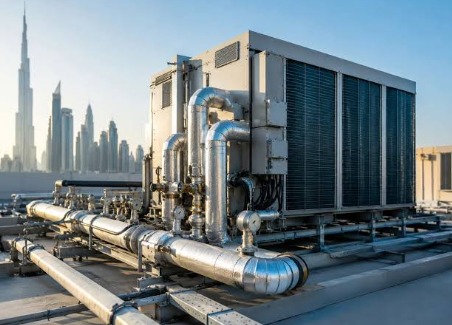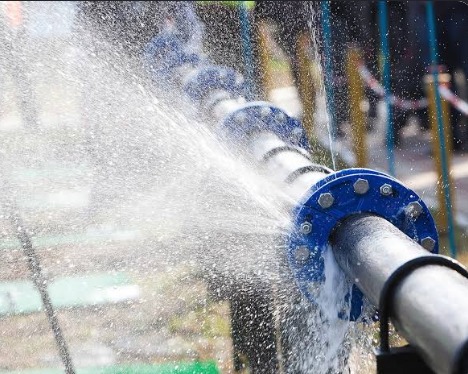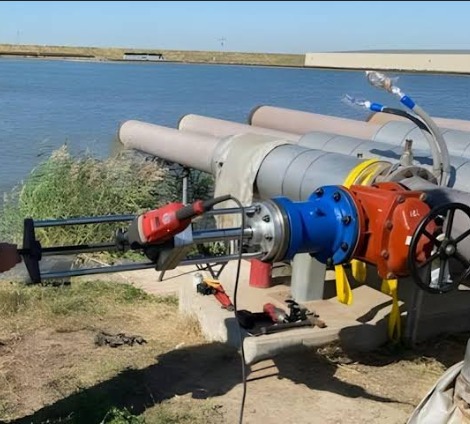
Onsite Flange Facing is a specialized machining service used to restore or recondition the sealing surface of a pipeline flange directly at the installation site. Instead of removing the flange and transporting it to an external workshop, onsite machining equipment can be installed at the work location to accurately machine the flange face. This can be useful when flange surfaces have corrosion, pitting, scratches, distortion, unevenness, or other imperfections that may affect gasket sealing. For industrial facilities, maintaining a properly prepared flange face is important for reducing the risk of leakage after maintenance or equipment installation. Pipeontec provides onsite machining and pipeline integrity solutions designed around the specific requirements of industrial piping systems.
How Does Onsite Flange Facing Work?
The process starts with inspecting the flange and determining the extent of surface damage or irregularity. The appropriate machining equipment is then positioned and securely mounted to the flange or surrounding structure. Precision machining removes a controlled amount of material from the damaged surface to create a suitable and uniform sealing face. Depending on the application, the machining operation may restore the required surface finish and facing profile for the selected gasket and connection. The final result should be checked against the project’s engineering requirements before the flange is returned to Flange facing services . Factors such as flange diameter, material, accessibility, damage level, required surface finish, and site conditions can influence the machining approach.
What Are the Benefits of Onsite Flange Facing?
A key benefit of Onsite Flange Facing is that it can eliminate the need to remove and transport large or difficult-to-access flanges to an external machine shop. This can help simplify maintenance work and potentially reduce equipment removal, transportation requirements, and associated downtime. Onsite machining can also be useful for large-diameter flanges, pipelines, valves, heat exchangers, pressure vessels, and other industrial connections where dismantling the equipment may be impractical. By restoring the flange sealing surface at the worksite, the service can provide a practical option for maintenance and repair projects where accurate flange preparation is required.
Pipeontec Approach to Onsite Flange Facing
Industrial flange repairs can involve challenging site conditions, including limited workspace, large flange diameters, difficult access, tight maintenance schedules, and critical equipment that needs to return to service efficiently. Pipeontec approaches each Onsite Flange Facing requirement according to the actual equipment and site conditions. Before machining begins, useful project information can include flange diameter, flange material, damage type, flange configuration, required surface finish, available access, equipment specifications, and site photographs or drawings. This information helps determine the appropriate machining arrangement and equipment for the project. Onsite flange machining may be particularly valuable in refineries, petrochemical plants, power generation facilities, manufacturing plants, marine applications, and other industrial environments where removing heavy components can be difficult.
Conclusion
Onsite Flange Facing provides a practical solution for restoring damaged or uneven flange sealing surfaces directly at the worksite. By using suitable precision machining equipment, certain flange maintenance requirements can be handled without removing the complete component for workshop machining. Pipeontec focuses on project-specific onsite machining solutions based on flange condition, equipment requirements, accessibility, and operating environment.
FAQs
What is Onsite Flange Facing?
Onsite Flange Facing is an in-situ machining process used to restore the sealing surface of a flange directly at the installation or maintenance site.
Why is flange facing important?
A damaged, uneven, or improperly finished flange face can affect gasket sealing and may contribute to leakage. Proper flange surface preparation helps create a suitable sealing interface.
Can large flanges be machined onsite?
Depending on the equipment, flange configuration, diameter, accessibility, and site conditions, onsite machining can be suitable for large industrial flanges that may be difficult or impractical to remove.
What information is needed for an onsite flange facing assessment?
Useful details include flange diameter, material, configuration, damage condition, required surface finish, accessibility, equipment type, and available drawings or photographs. These details help determine the appropriate onsite machining approach.