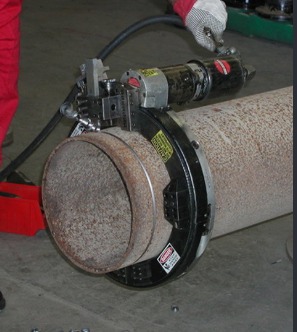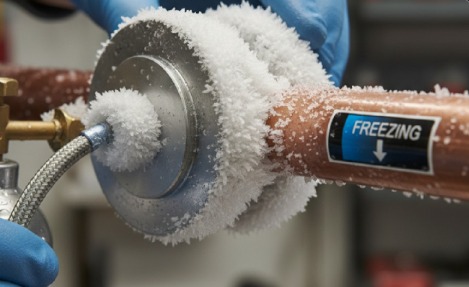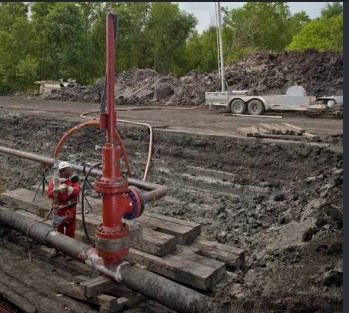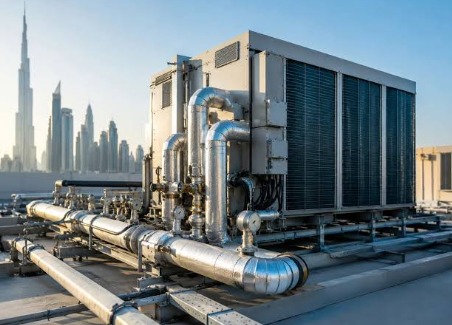
Temporary Pipe Isolation is a specialized pipeline intervention method used to isolate a section of pipe for maintenance, repair, inspection, testing, or modification without permanently removing that section from service. It can be especially useful in industrial environments where operators need to create a controlled work zone while minimizing disruption to the wider pipeline system.
For facilities across the UAE, temporary isolation may be considered in oil and gas operations, water networks, utilities, district cooling systems, process plants, and other industrial pipeline environments. The exact method depends on pipeline diameter, material, pressure, temperature, transported medium, and the type of work being planned.
Pipeontec focuses on assessing the pipeline and project conditions before recommending an isolation approach. From an engineering perspective, temporary isolation should be carefully planned so the selected method supports the intended maintenance activity while maintaining control of the surrounding system.
How Does Temporary Pipe Isolation Work?
What Happens During a Temporary Isolation Operation?
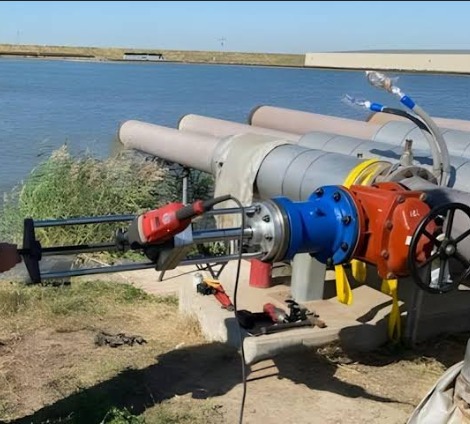
A common question is, “How is Temporary Pipe Isolation carried out?” The exact procedure varies according to the pipeline and site conditions, but the process generally involves identifying the section that needs to be isolated, reviewing operating parameters, selecting suitable isolation equipment, and creating a controlled barrier between the active system and the work area.
Depending on the project, isolation may involve mechanical plugging, line stopping, temporary valves, or other engineered intervention methods. The selected approach should be compatible with the pipeline material, internal pressure, fluid characteristics, and required duration of the work.
Before the isolation is established, engineers typically review pipeline drawings, wall condition, corrosion status, access points, pressure, temperature, and the nature of the planned maintenance activity.
Pipeontec takes a project-specific approach so the isolation method is selected according to the actual pipeline environment rather than using one standard solution for every system.
Benefits of Temporary Pipe Isolation for UAE Industries
How Can Temporary Isolation Support Maintenance Work?
One of the main benefits of Temporary Pipe Isolation is the ability to create a controlled work zone within an existing pipeline network. This can help maintenance teams carry out selected repairs or modifications while limiting the impact on the rest of the system.
Temporary isolation may support valve replacement, pipeline repair, branch modification, equipment maintenance, or inspection work depending on the engineering requirements of the project.
For UAE industrial operators, this can help improve maintenance planning by reducing the need to shut down larger sections of infrastructure than necessary. It can also provide greater flexibility when coordinating work in facilities where continuous operation is important.
However, temporary isolation should only be used when the system condition and engineering assessment support the selected method.
Pipeontec focuses on controlled execution, suitable equipment, and practical maintenance planning for pipeline intervention projects.
Choosing a Temporary Pipe Isolation Service in the UAE
What Should Be Considered Before Isolation Begins?
Before carrying out Temporary Pipe Isolation, operators should evaluate pipeline diameter, wall thickness, pipe material, operating pressure, temperature, process medium, internal condition, accessibility, and the type of maintenance work to be performed.
The duration of the isolation is another important consideration. A short maintenance task may have different requirements from a longer repair or modification project.
Equipment compatibility is also critical. Mechanical plugs, line-stop equipment, temporary valves, seals, and other isolation components should be selected according to the pipeline specifications and operating environment.
Planning should also include risk assessment, work sequencing, communication between site teams, verification of the isolation, and confirmation that the planned work meets the facility’s engineering and safety requirements.
Pipeontec supports temporary pipeline isolation projects across the UAE with a focus on technical assessment, suitable intervention methods, controlled execution, and practical maintenance support.
Conclusion
Temporary Pipe Isolation can provide a practical way to create a controlled work zone within an operating pipeline system for maintenance, inspection, repair, or modification activities.
Pipeontec focuses on professional pipeline intervention and isolation solutions for industrial facilities across the UAE, helping operators plan and execute temporary isolation work according to project-specific requirements.
FAQs
1. What is Temporary Pipe Isolation?
Temporary Pipe Isolation is a method used to isolate a section of pipeline for maintenance, repair, inspection, or modification without permanently removing that section from the system.
2. Why is temporary pipeline isolation used?
It can help create a controlled work area while reducing the need to shut down a larger portion of the pipeline network.
3. Which methods can be used for temporary pipe isolation?
Depending on the pipeline and project, methods may include mechanical plugging, line stopping, temporary valves, or other engineered isolation solutions.
4. How does Pipeontec approach Temporary Pipe Isolation projects?
Pipeontec focuses on pipeline condition, operating pressure, temperature, process medium, access requirements, equipment compatibility, and the planned maintenance activity before selecting a suitable isolation approach.