Live Pipeline Tapping is a specialized pipeline intervention method used to create a new connection or access point on an operating pipeline without requiring a complete shutdown of the system. It can be valuable in industrial environments where stopping the flow of water, oil, gas, or other compatible process media could interrupt operations, increase downtime, or affect essential services.
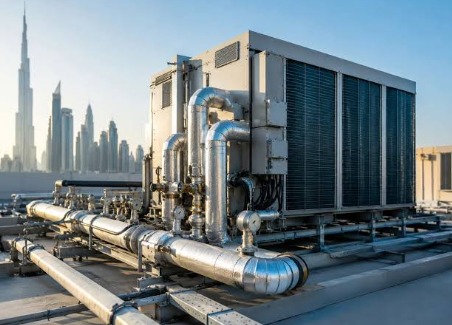
For industrial facilities across the UAE, pipeline shutdowns can sometimes create operational challenges, especially in utilities, manufacturing plants, district cooling networks, water systems, and process facilities. Live tapping provides an alternative approach when site conditions, pipeline specifications, operating parameters, and engineering assessments confirm that the work can be carried out safely.
Pipeontec focuses on practical pipeline intervention solutions based on project requirements and operating conditions. From an engineering perspective, every live tapping project requires careful assessment, correct equipment selection, controlled procedures, and qualified technical execution.
How Does Live Pipeline Tapping Work?
What Happens During a Live Tapping Operation?
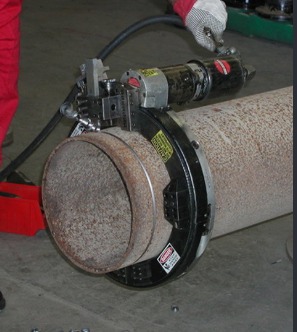
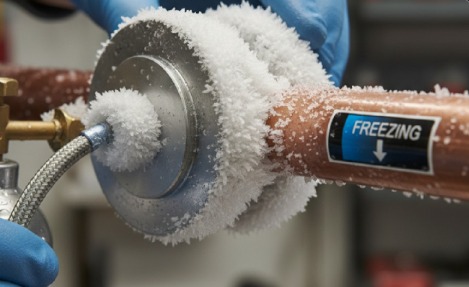
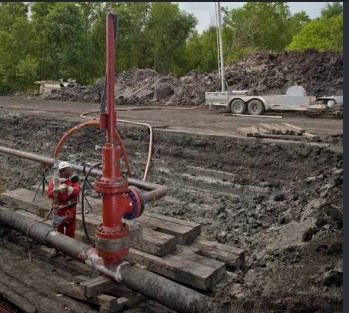
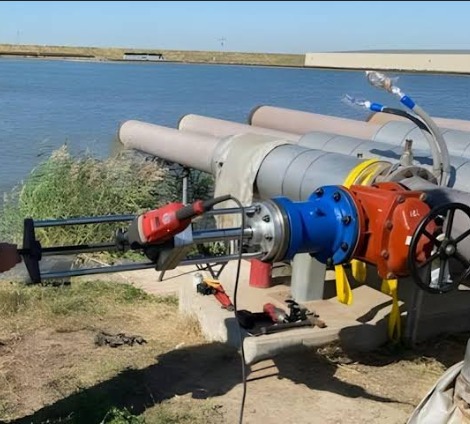
A common question is, “How is Live Pipeline Tapping performed?” The exact process depends on the pipeline material, diameter, pressure, temperature, wall condition, and transported medium. Typically, the operation involves assessing the pipeline, installing a suitable fitting and valve, attaching specialized tapping equipment, and creating an opening while the pipeline remains in service.
Once the tapping equipment is securely installed, a cutting tool is introduced through the valve to create the required opening in the pipe wall. After the cut is completed and the equipment is withdrawn, the valve allows the new connection to remain controlled.
Detailed planning is essential before any work begins. Engineers must consider operating pressure, pipe material, corrosion condition, welding requirements where applicable, fitting compatibility, and the characteristics of the transported fluid.
Pipeontec approaches each project according to the specific pipeline environment rather than applying one standard procedure to every system.
Benefits of Live Pipeline Tapping for UAE Industries
How Can Live Tapping Reduce Operational Disruption?
One of the main advantages of Live Pipeline Tapping is the ability to modify or extend an existing pipeline while minimizing the need for a full process shutdown. This can be particularly useful for facilities where continuous operation is important.
Live tapping may support the addition of branch connections, instrumentation points, valves, bypass lines, or future pipeline extensions, depending on the engineering requirements of the system.
For UAE industrial operators, reducing shutdown requirements can help limit operational disruption and make maintenance or expansion work easier to coordinate. However, live tapping should only be considered after a detailed technical assessment confirms that pipeline conditions are suitable for the planned intervention.
Another benefit is flexibility. Existing pipeline networks can sometimes be modified or expanded without completely isolating large sections of the system.
Pipeontec focuses on controlled planning and technical execution so live tapping activities can be integrated into wider pipeline maintenance and modification programs.
Choosing a Live Pipeline Tapping Service in the UAE
What Should Be Considered Before Starting the Work?
Before carrying out Live Pipeline Tapping, operators should evaluate pipeline diameter, wall thickness, pipe material, operating pressure, temperature, process medium, corrosion condition, connection size, and site accessibility.
The condition of the existing pipeline is especially important. Older or damaged pipelines may require additional inspection or engineering evaluation before any intervention is considered.
Equipment compatibility is another critical factor. Tapping machines, fittings, valves, cutters, seals, and supporting equipment should be selected according to the project specifications and operating environment.
Planning should also include risk assessment, work procedures, communication between site teams, and confirmation that the proposed modification meets the facility’s engineering and safety requirements.
Pipeontec supports pipeline intervention projects across the UAE with a focus on technical assessment, suitable equipment selection, controlled execution, and practical solutions for existing pipeline networks.
Conclusion
Live Pipeline Tapping provides a practical way to create new pipeline connections or access points while an existing system remains operational, when engineering conditions allow. Its effectiveness depends on careful planning, pipeline assessment, compatible equipment, and controlled technical procedures.
Pipeontec focuses on professional pipeline intervention solutions for industrial facilities across the UAE, supporting projects that require modifications, extensions, and controlled access to operating pipeline systems.
FAQs
1. What is Live Pipeline Tapping?
Live Pipeline Tapping is a pipeline intervention technique used to create a new connection or opening on an operating pipeline without completely shutting down the system.
2. Can live tapping be performed on every pipeline?
No. Suitability depends on factors such as pipe material, wall condition, pressure, temperature, transported medium, and the engineering requirements of the project.
3. Why is live tapping used in industrial facilities?
It can help reduce operational disruption when a pipeline needs modification, extension, instrumentation, or an additional connection while remaining in service.
4. How does Pipeontec approach Live Pipeline Tapping projects?
Pipeontec focuses on evaluating pipeline conditions, operating parameters, project requirements, equipment compatibility, and controlled execution before carrying out live pipeline intervention work.